




Getting from one place to another sounds simple until you actually have to plan it.
Traffic, timing, cost, and convenience all matter. Whether you’re commuting daily, moving items, or traveling across the city, choosing the right transport option can save you time, money, and stress.
This guide breaks down the main options and helps you understand what works best in different situations.
1. Public Transport
Public transport is usually the most affordable way to get around.
Common options include:
- Buses
- Trains or metro systems
- Shared transport services
Best for: Daily commuting and budget-friendly travel
Things to consider:
- Fixed schedules
- Peak hour crowding
- Limited flexibility
If your route is regular and predictable, this is often the easiest choice.
2. Private Transport
Private transport gives you full control over your time and route.
This includes:
- Personal cars
- Motorbikes
- Ride-sharing services
Best for: Flexibility and comfort
Things to consider:
- Fuel and maintenance costs
- Traffic delays
- Parking availability
It’s more convenient, but usually more expensive.
3. On-Demand Transport Services
These services sit between public and private transport.
Examples include:
- Ride-hailing apps
- Taxi services
- Car rentals
Best for: Occasional trips and convenience
Things to consider:
- Pricing can change based on demand
- Availability during peak times
You don’t own the vehicle, but you still get door-to-door service.
4. Goods and Moving Transport
If you need to move items instead of just people, you’ll need a different approach.
Options include:
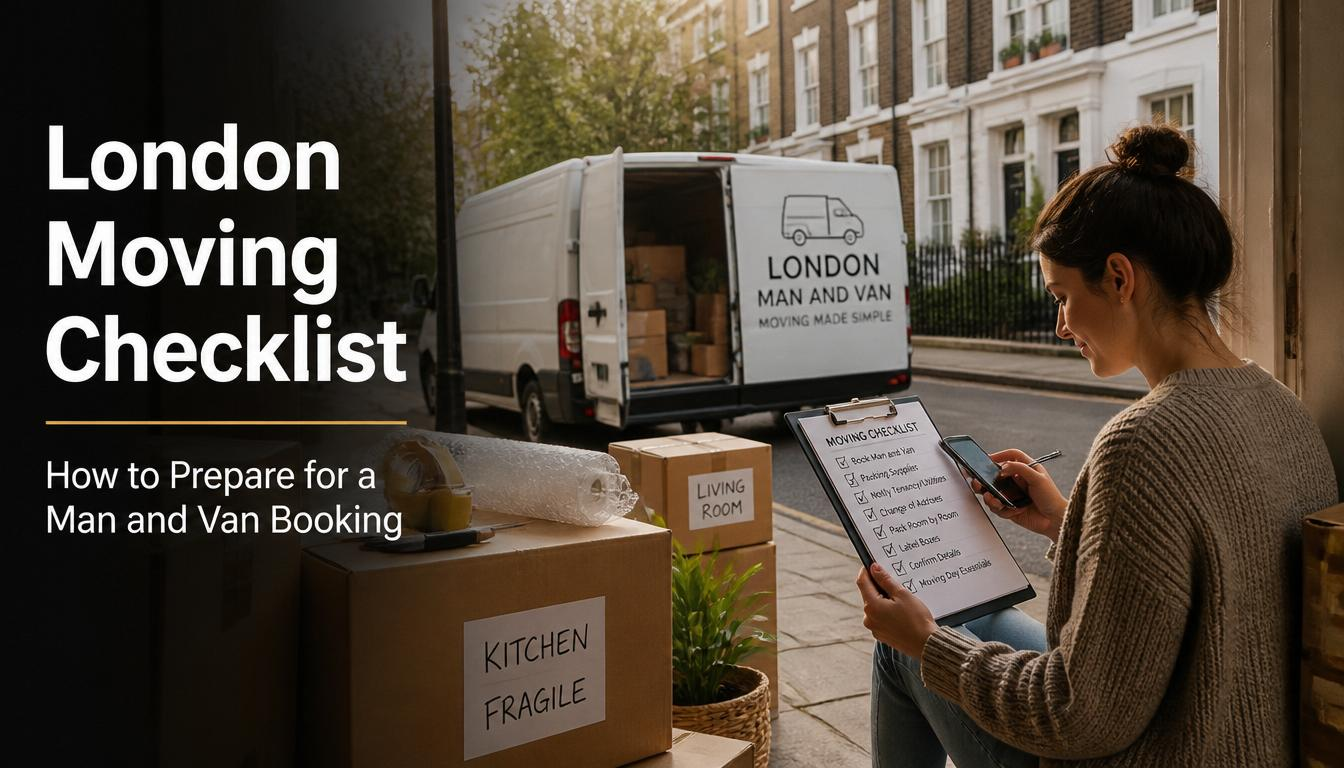
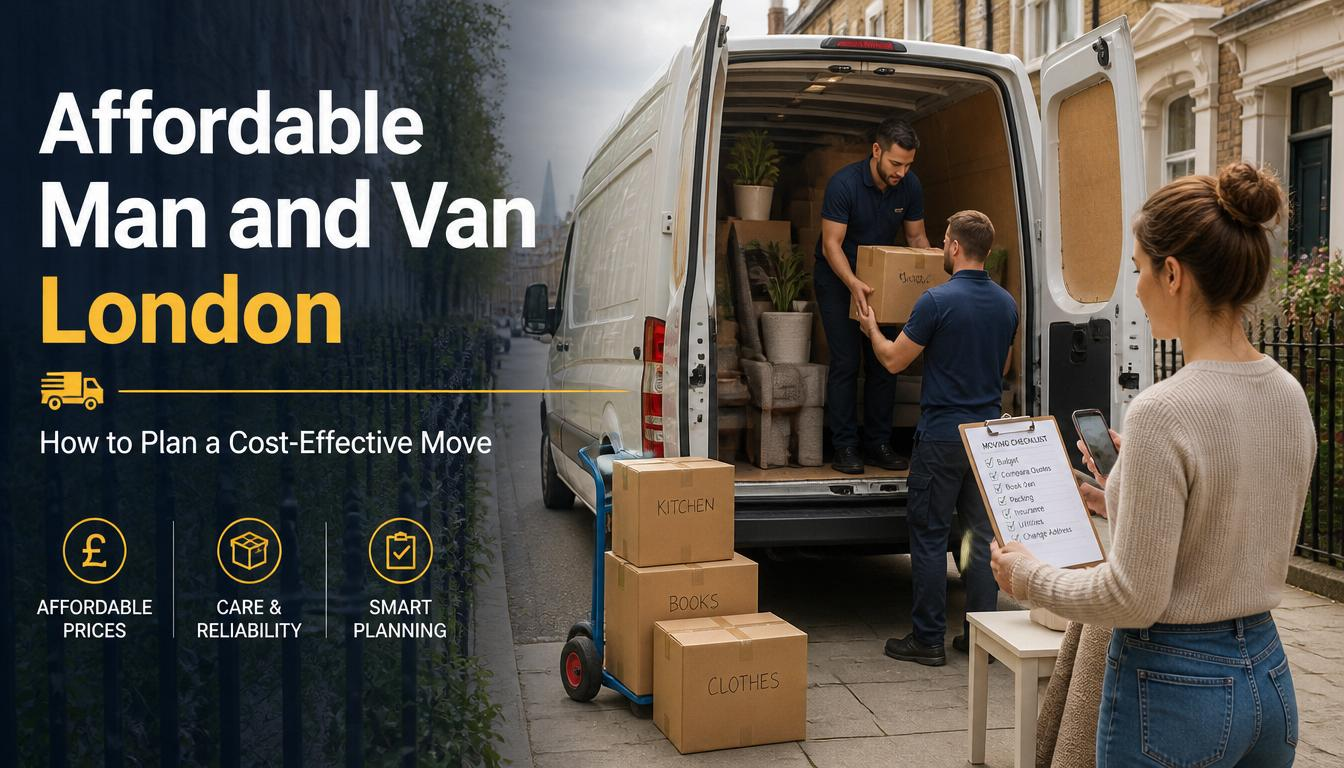
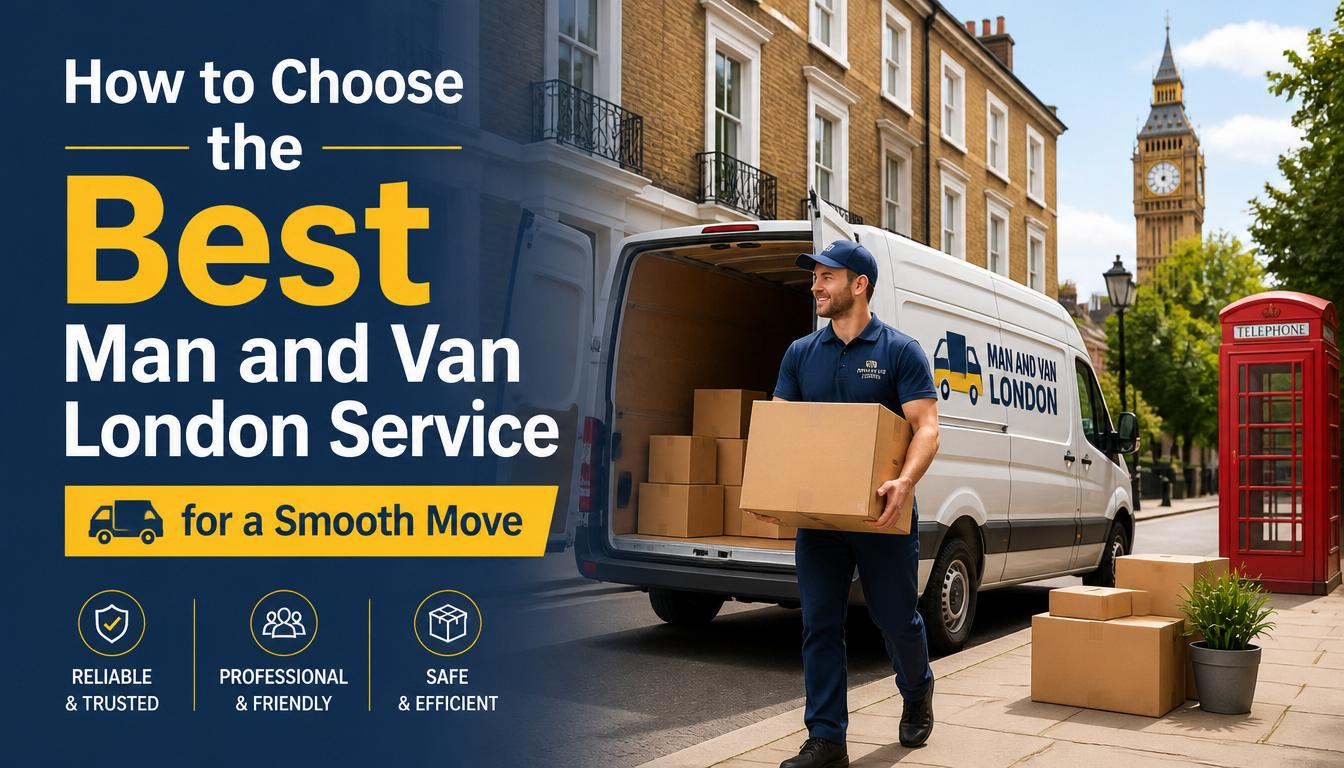
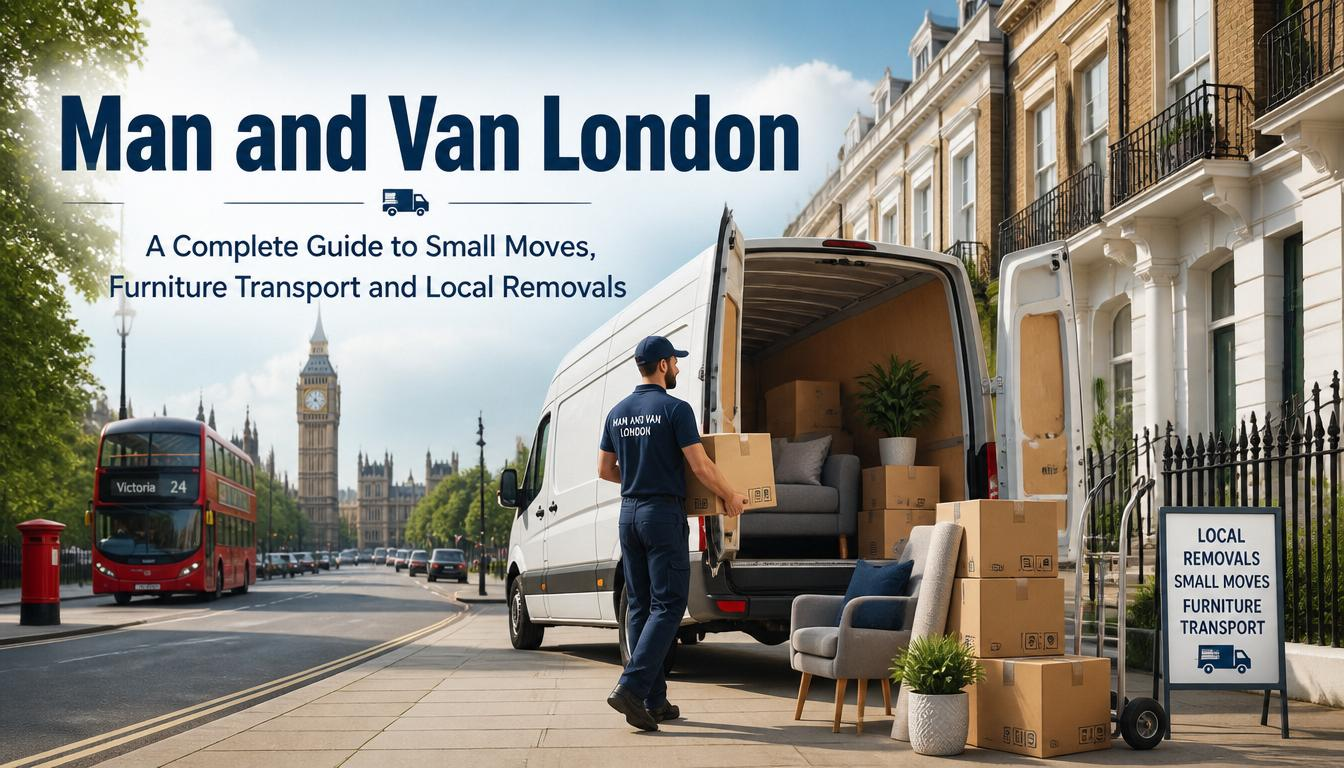
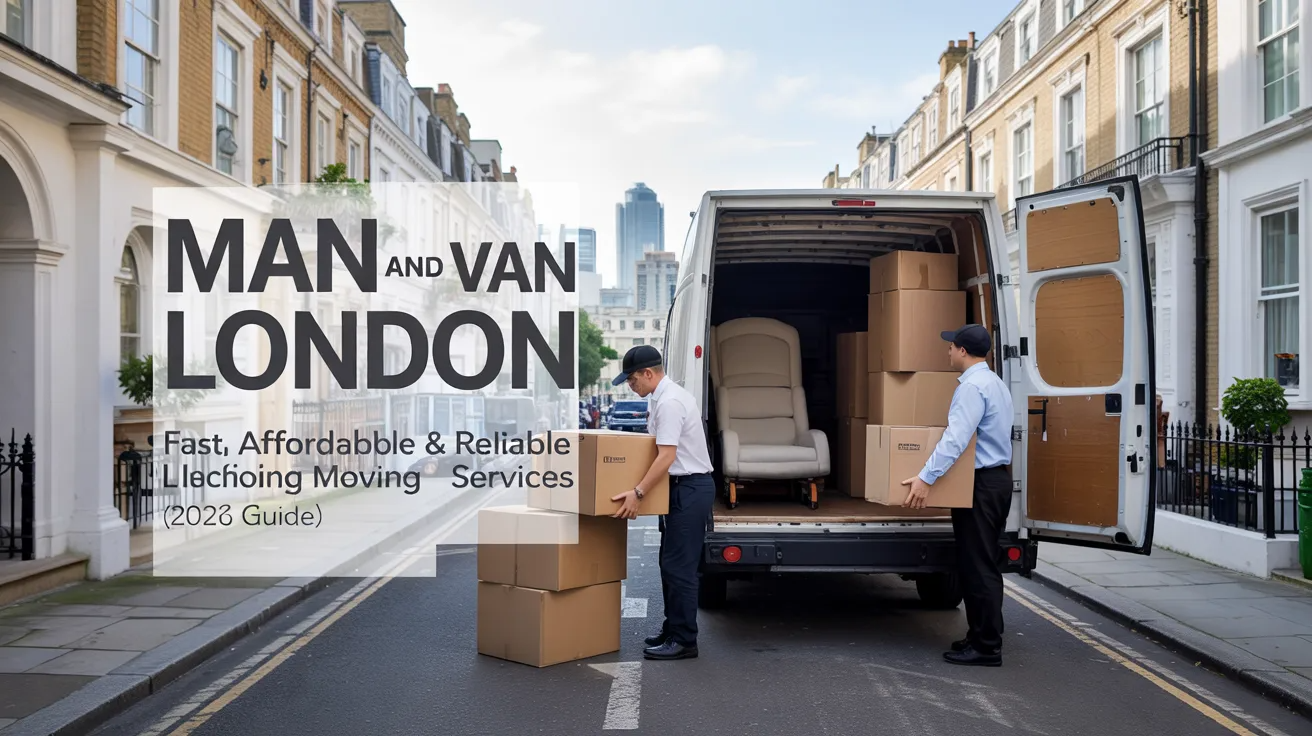
- Man and van services
- Delivery vehicles
- Removal companies
Best for: House moves, furniture transport, or business deliveries
Things to consider:
- Size of the load
- Distance
- Time required
Choosing the right vehicle size can save both time and money.
5. Choosing the Right Option
Here’s what actually matters when deciding:
- Distance: Short trips vs long-distance travel
- Budget: Fixed or flexible spending
- Time: Urgent vs planned trips
- Comfort: Basic vs premium experience
There’s no single best option — it depends on your situation.
6. Tips for Smarter Transport Choices
- Plan ahead during peak hours
- Compare costs before booking
- Choose the right vehicle size for your needs
- Allow extra time for delays
- Keep backup options in mind
Small decisions can make a big difference in your overall experience.
Final Thoughts
Transport isn’t just about getting from point A to point B.
It’s about how efficiently, comfortably, and reliably you can do it.
The better you understand your options, the easier it becomes to choose what actually works for you — instead of just going with whatever is available at the moment.